


AFTER CARE
CARE & MAINTENANCE
AFTER CARE GUIDE
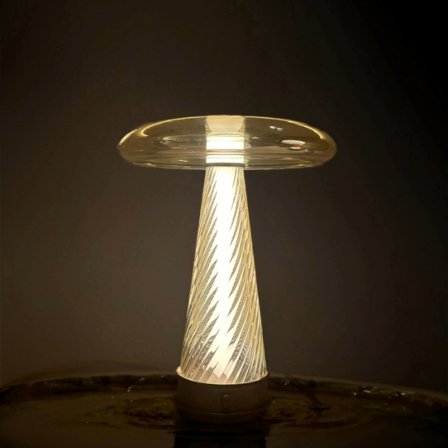
is a lightweight alternative to traditional glass, offering high impact resistance and optical clarity.
Acrylic glass is commonly used in various applications due to its versatility and durability.
Appearance: Acrylic glass has a smooth, clear surface that allows light to pass through with excellent
transparency. It can come in clear, frosted, or colored options, providing flexibility in design
choices. The material’s sleek and modern look makes it popular for a wide range of uses, from
windows to furniture to artistic installations.
Care & Maintenance:
• Use a specialized cleaner like Faron Cleaner or a mild, pH-neutral soap mixed with water for
routine cleaning.
• Use a non-abrasive cloth or sponge to gently clean the acrylic surface.
• Avoid rubbing dirt or grit into the surface to prevent scratches or damage.
• Dry the acrylic glass by blotting it gently with a clean, dry cloth to avoid water spots.
• Avoid Harsh Chemicals: Refrain from using harsh chemicals or ammonia-based cleaners, as these
can cause damage to the acrylic material.
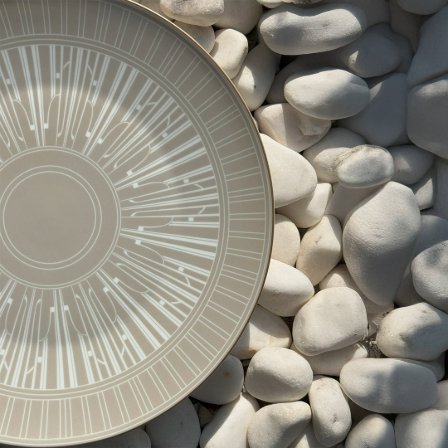
LIMOGES PORCELAIN
Material: Limoges porcelain is a type of hard-paste porcelain produced in Limoges, France. It is known for its
exceptional quality, translucence, and durability. Limoges porcelain is made from a combination of
kaolin, feldspar, and quartz, fired at very high temperatures to create a smooth and glass-like
finish.
Appearance: Limoges porcelain tableware is renowned for its pure white colour, delicate translucency, and fine
details. It often features intricate designs, hand-painted motifs, and luxurious gold or platinum
accents. The smooth and glossy surface of Limoges porcelain gives it an elegant and sophisticated
look, making it a popular choice for formal dining occasions.
Care & Maintenance:
• Clean with mild detergent.
• Avoid sudden temperature changes / prevent thermal shock.
• Handle with care to prevent chipping.
• Dishwasher Safe (Gentle cycle)
• Avoid Microwave.
GENERAL CERAMICS
• Regularly dust the lamp to prevent the buildup of dirt and grime. Avoid harsh chemicals and
abrasive cleaners that can damage the ceramic surface.
Material: Glass is a solid material made from heating sand or quartz particles until they melt and
then cool to a rigid form. It is transparent and can be molded into various shapes, making it
versatile for different applications.
Appearance: Glass has a clear and glossy appearance, allowing light to pass through. It can be
colored, textured, or frosted for different visual effects. Glass items can range from delicate to
sturdy, depending on their composition and thickness.
Care & Maintenance: To care for glass, use a mild soap or glass cleaner with a soft cloth to
remove fingerprints, dust, and smudges. Avoid abrasive materials that can scratch the surface.
Glass items should be handled carefully to prevent breakage. If there are chips or cracks,
discontinue use to avoid injury.
Material: Crystal glass is a type of glass that contains lead oxide, giving it enhanced clarity,
brilliance, and weight compared to standard glass. It is often used in high-end glassware, lightings,
and decorative items.
Appearance: Crystal glass has a higher refractive index than regular glass, making it sparkle and
reflect light more effectively. It can have intricate cuts and designs that enhance its beauty and
elegance
Care & Maintenance: Clean crystal glass items by hand with a mild detergent and warm water, using
a soft cloth to avoid scratching. Avoid harsh chemicals and high temperatures that can damage the
crystal. To maintain its brilliance, gently dry with a lint-free cloth. Store crystal glassware
carefully to prevent chipping or breakage. Regularly inspect for any damage and address it
promptly to prevent further deterioration.
LINEN UPHOLSTERY
Material: Linen is a natural fiber made from the flax plant, known for its durability and
breathability.
Appearance: Linen upholstery has a textured, slightly slubbed look, adding a casual elegance to
furniture.
Care & Maintenance:
• Use a mild soap or a linen-specific upholstery cleaner.
• Gently blot stains with a clean cloth soaked in the cleaning solution.
• Let the fabric air dry to prevent shrinkage; avoid using heat.
VELVET UPHOLSTERY:
Material: Velvet is a luxurious fabric with a dense pile, typically made from silk, cotton, or
synthetic fibres.
Appearance: Velvet upholstery has a soft, plush surface that reflects light, creating a rich and
inviting look.
Care & Maintenance:
• Carefully vacuum with a soft brush attachment to remove dust.
• For stains, apply a mixture of water and mild detergent on a clean cloth.
• Blot the stain gently and allow the fabric to air dry.
FABRIC GENERAL TIPS:
• Regularly vacuum fabric furniture to eliminate dust and debris.
• Always refer to the manufacturer’s label for specific cleaning guidelines before attempting any
cleaning methods.
• Test cleaning solutions on a small, inconspicuous area first to avoid damage.
• Avoid harsh chemicals and abrasive cleaners that can harm the fabric.
• For stubborn stains or extensive cleaning needs, consider hiring a professional upholstery
cleaner for best results.
SPECIFIC FABRICS
SILK:
Material: Silk is a natural protein fibre produced by silkworms, valued for its smooth texture and
lustrous appearance.
Appearance: Silk upholstery exudes elegance with its glossy sheen and soft drape
• Seek professional cleaning services for silk upholstery to avoid damage.
VISCOSE:
Material: Viscose, also known as rayon, is a semi-synthetic fibre made from natural sources like
wood pulp.
Appearance: Viscose fabrics mimic the look and feel of silk, offering a luxurious aesthetic at a
more affordable price point.
Care & Maintenance:
• Viscose fabrics require delicate handling; consult a professional cleaner for maintenance.
POLYESTER:
Material: Polyester is a synthetic fiber known for its durability and resistance to wrinkles and
shrinking.
Appearance: Polyester upholstery is versatile and can mimic the look of natural fibers with added
durability.
Care & Maintenance:
• Polyester fabrics are typically easy to clean and maintain, often requiring simple spot cleaning
with mild detergent and water.
PAPER MACHE:
Material: Papermache is a composite material made from paper pieces or pulp bound together with
adhesive.
Appearance: Papermache surfaces can be moulded into various shapes and designs, offering a
lightweight and versatile option for decorative elements.
Care & Maintenance:
• Clean papermache surfaces with a dry or slightly damp cloth to preserve their integrity.
FABRIC (COTTON)
BED LINENS
Machine Washing:
• Sort linens by fibre, colour, and item type. Machine wash bed linens in cold water with mild
detergent. Delicate items like lace should be washed in a mesh bag.
Detergent:
• Use mild liquid biodegradable detergent without bleach. Ensure detergent is fully dissolved
before washing. Adjust amount based on soil level and water hardness.
Drying:
• Dry linens at medium temperature. Remove bed linens before fully dry, lay flat to iron. For line
drying, shake items before hanging.
Ironing:
• Use appropriate iron temperature based on fabric type. Iron embroidered linens on the reverse
side while damp. Avoid spray starch on towels.
Dry Cleaning:
• Delicate fibers like silk and wool should be dry cleaned professionally. Light quilts and
bedspreads should also be dry cleaned to prevent shrinkage.
Storing:
• Store linens folded flat in a cool, dry place with good ventilation. Avoid storing in plastic which
can cause yellowing. Use scented sachets for a fresh scent.
Cushions
• Spot clean cushions with mild detergent and water.
• Sun dries to prevent Mold growth.
• Store cushions in a dry place during off-seasons
FABRIC (CARPETS)
Fibres
• New Zealand Wool: Resilient and durable, clean with neutral detergents and dry quickly to
prevent browning.
• Viscose: Breaks easily when wet, prone to shrinking, dry quickly to prevent microbial growth.
Vacuuming:
• Vacuum carpets at least once a week, focusing more on high-traffic areas.
• Use an upright, suction-only vacuum cleaner to prevent damage to delicate fibers.
• Avoid vacuum cleaners with beater bars or rotating brushes as they can harm the carpet.
Spot Cleaning:
• For silk/specialty fiber carpets, avoid water or water-based cleaners. Absorb liquid spills with a
towel and use a spatula for solid spills. Contact a professional if needed.
• For wool carpets, remove solid matter gently, blot stains with a clean towel, and avoid rubbing.
Repeat the process if needed and ensure the area is completely dry before walking on it.
Preventative Measures:
• To prevent soiling, use entry mats to limit soil from entering the home. Clean mats regularly by
shaking or brushing with a mild detergent solution.
Fluffing or Shedding:
• High-quality carpets may shed fibers initially, which decreases over time and is normal.
Trimming:
• Maintain carpets by trimming loose tufts with sharp scissors to ensure longevity.
Shading:
• Shading in cut pile carpets is caused by light effects and foot traffic. It can be managed by
rearranging fibers and does not indicate a manufacturing defect.
Restorative Measures:
• Deep cleaning removes embedded soil and should be done before it becomes visible to preserve
carpet life and finishes.
Hire a Professional:
• Deep clean carpets every 12-18 months, especially in homes with kids, pets, or smokers, to
maintain carpet life and appearance.
Troubleshooting:
• Address issues like burns, crushing, depressions, fading, filtration soiling, matting, shading,
soiling, and sprouting using appropriate methods.
Moth and Beetle Control:
• Wool carpets are treated to be moth resistant. Synthetic fibers resist beetles, but existing
beetles may lay eggs in carpets. Consult a professional pest control specialist for beetle
removal.
Material: Real aniline leather is made from high-quality full-grain leather that has been dyed
exclusively with soluble dyes without covering the surface with a topcoat paint or insoluble
pigments. This allows the natural beauty and characteristics of the leather to show through.
Appearance: Aniline leather retains the natural grain and markings of the hide, giving it a luxurious
and natural look. It often has a soft and supple feel with a rich, warm texture.
FAUX LEATHER (Vinyl)
Material: polyurethane (PU) or polyvinyl chloride (PVC) leather, also known as faux leather or
vegan leather, is a synthetic material made from polyvinyl chloride. It is designed to mimic the look
and feel of real leather at a more affordable price point.
Appearance: PVC leather can be manufactured in a variety of colors and finishes, often mimicking
the texture and appearance of real leather. However, it may lack the natural variations and
characteristics of genuine leather.
Care & Maintenance:
• Use a damp cloth to gently clean the surface.
• Avoid direct sunlight to prevent fading.
• Avoid harsh chemicals that can damage the material.
• Avoid direct sunlight to prevent fading.
• If vacuum cleaning, use a soft brush nozzle to avoid scratching the surface.
• Apply leather conditioner periodically to maintain suppleness. (leather only)
STEEL:
Material: Steel is an alloy primarily composed of iron and carbon, known for its strength and
durability. It is widely used in various industries due to its versatility and toughness.
Appearance: Steel has a sleek and modern appearance, typically with a shiny metallic finish. It can
vary in colour from silvery-grey to darker tones depending on the specific type and finish.
• Care & Maintenance: To care for steel, regularly clean with a mild soap and water solution to
remove dirt and grime. Dry thoroughly to prevent water spots or rust. Avoid abrasive cleaners
that can scratch the surface and consider applying a protective coating to prevent corrosion.
STAINLESS STEEL:
Material: Stainless steel is an alloy of steel combined with chromium, which provides corrosion
resistance and strength. It is commonly used in kitchen appliances, cookware, and architectural
applications.
Appearance: Stainless steel has a bright, reflective finish that resists staining and tarnishing. It is
known for its modern and clean appearance, making it a popular choice for contemporary designs.
• Care & Maintenance: Clean stainless-steel surfaces with a solution of mild detergent and water,
followed by a rinse and dry to prevent water spots. Avoid harsh abrasives and acidic cleaners that
can damage the finish. Stainless steel can be polished with specialized stainless-steel cleaners to
maintain its lustre.
BRONZE:
Material: Bronze is an alloy primarily made of copper and tin, known for its strength, durability,
and historical significance. It is often used in sculptures, architectural elements, and decorative
items.
Appearance: Bronze has a warm, rich tone that can vary from golden to reddish-brown. Over time,
bronze develops a natural patina that adds character and depth to its appearance.
• Care & Maintenance: To care for bronze, dust regularly with a soft cloth to prevent dirt buildup.
Periodically clean with a mild soap and water solution to remove grime. Avoid harsh chemicals that
can damage the patina. To maintain the patina or restore its shine, bronze can be waxed or polished
with specialized bronze cleaners.
CHROME:
Material: Chrome, short for chromium, is a metal finish applied to various base metals to provide a
shiny, reflective surface. It is commonly used in home fixtures, automotive parts, and furniture.
• Appearance: Chrome has a bright, mirror-like finish that adds a modern and sleek look to items. It
is highly reflective and can range from a bluish tinge to a warmer tone, depending on the
underlying metal.
• Care & Maintenance: Clean chrome surfaces with a mild soap and water solution to remove dirt and
grime. Dry thoroughly to prevent water spots. Avoid abrasive cleaners that can scratch the finish.
Chrome can be polished with a soft cloth and chrome polish to maintain its shine and protect it
from tarnishing.
STONES
Marble & Onyx are porous and can stain easily. Follow these preventative measures:
Onyx:
Material: Onyx, a quartz family member, forms in caves from water drips that harden into fine
intergrowths of silica minerals like quartz and moganite.
Appearance: Translucent with unique banding patterns and colors, onyx is visually captivating,
especially when backlit, making it popular for furniture accents.
Marble:
Material: Marble, a metamorphic rock from limestone recrystallization, primarily consists of
calcite or dolomite. It’s valued for its veining, durability, and versatility.
Appearance: Known for elegance, marble’s veining patterns and varied colors offer a luxurious and
timeless aesthetic, enhancing furniture pieces.
Care & Maintenance:
Preventative Measures:
• Use coasters to prevent stains from spills.
• Place rugs under marble tables to prevent scratches.
Daily Care:
• Quickly clean spills with a soft cloth and warm water.
• Use mild soap sparingly to avoid residue.
• Ensure the surface is completely dry after cleaning.
Essential Care Tips:
• Blot spills promptly to prevent staining.
• Clean with soft cloths and warm water.
Cleaning Don’ts:
• Avoid harsh chemicals that can degrade marble.
• Stay away from acidic cleaners to prevent damage.
• Refrain from placing heavy objects directly on marble surfaces
Oak Wood:
• Material: Oak, a durable hardwood from the Quercus genus, is prized for its strength and
distinctive grain patterns, commonly used in furniture, flooring, and construction.
• Appearance: Ranging from light tan to medium brown with golden undertones, oak’s grain patterns
vary from pronounced in quarter-sawn to tighter in rift-sawn cuts. Its coarse texture and open
pores enhance tactile appeal, offering versatility in finishes like oiling, staining, or varnishing.
Walnut Wood:
• Material: Walnut, a hardwood from the Juglans genus, is renowned for its rich color, durability,
and fine grain, popular in furniture making and decorative items.
• Appearance: Featuring a rich dark brown color palette with variations from deep chocolate to
golden hues, walnut’s straight fine grain pattern often showcases unique figures like curls or
burls, adding sophistication. Its smooth texture and medium luster provide a luxurious feel,
responding well to various finishes like oils, stains, and clear lacquers for customization.
Care & Maintenance:
• Dust Regularly: Use a soft, dry cloth to dust oak and walnut furniture and prevent scratches
from dust buildup.
• Gentle Cleaning: Use a damp cloth with a mild wood cleaner for hardwoods, avoiding harsh
chemicals that can damage the finish.
• Moisture Protection: Wipe spills promptly and use coasters under glasses to prevent water
damage.
• Sunlight Concerns: Avoid direct sunlight exposure to prevent fading and discoloration.
• Control Environment: Maintain stable temperature and humidity levels to prevent warping.
• Avoid Sharp Objects: Protect furniture from scratches by using felt pads under items